Influenza (commonly known as the flu) is a highly contagious viral infection that affects many individuals in Singapore each year. It commonly causes fever, cough, sore throat, and body aches, and can range from mild to more severe illness depending on the individual. This guide provides clear, medically accurate information on flu symptoms, recovery, and when to seek medical attention.

Influenza (Flu) in Singapore: Symptoms, Recovery Time & When to See a Doctor
#influenza #flu #symptoms #recovery #treatment
What is Influenza?
Influenza is caused by a group of viruses that infect the respiratory system, including the nose, throat, and sometimes the lungs. It spreads easily in the community, especially in workplaces, schools, and crowded environments. Unlike the common cold, influenza tends to present more suddenly and with more intense symptoms.
How Influenza Spreads
Influenza spreads mainly through droplets when an infected person coughs, sneezes, or talks. These droplets can land in the mouths or noses of people nearby or be inhaled into the lungs. It may also spread by touching contaminated surfaces and then touching the face.
Common Flu Symptoms
Symptoms of influenza usually come on suddenly and may include:
- Fever or chills
- Sore throat
- Runny or blocked nose
- Body aches and muscle pain
- Headache
- Dry cough
- Fatigue or weakness
Most individuals recover within a few days to one week, although fatigue can last longer.
Flu vs Common Cold
Influenza is often mistaken for the common cold, but there are key differences. Flu symptoms tend to be more severe and appear suddenly, while cold symptoms are milder and develop gradually.
Flu is more likely to cause fever, significant fatigue, and body aches.
| Symptom | Influenza (Flu) | Common cold |
|---|---|---|
| Fever/Chills | +++ | Rare |
| Cough | +++ | + |
| Sore throat | ++ | +++ |
| Headache | +++ | Uncommon |
| Runny or stuffy nose/sneezing | Uncommon | ++ |
| Bodyache | +++ | Rare |
| Fatigue | +++ | + |
| Diarrhea/vomiting | + | Rare |
| Onset of symptoms | Rapid, within 3-6 hours | Gradual |
+++ = Very common | ++ = Common | + = Sometimes
How Long Does Flu Last?
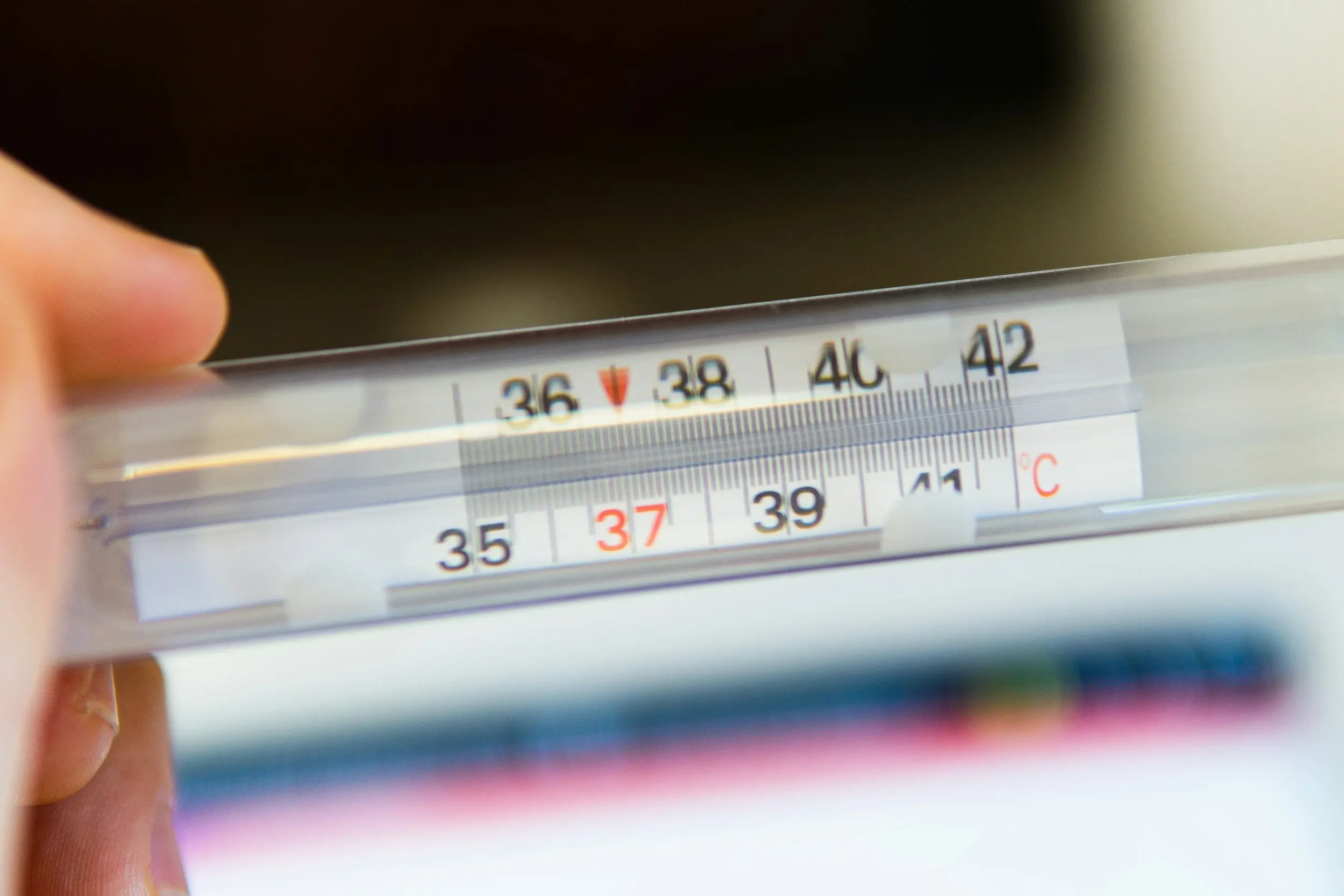
In most healthy adults:
- Symptoms peak within the first 2–3 days
- Fever improves within 3–5 days
- Most recover within 5–7 days
Some individuals may take longer to fully recover, especially if they are older or have underlying medical conditions.
How Flu is Managed
Most cases of influenza improve with supportive care.
This includes:
- Adequate rest to allow the body to recover
- Drinking sufficient fluids to prevent dehydration
- Managing fever and discomfort
A doctor will assess your symptoms and overall condition to determine if further medical care is required. Treatment decisions are made based on individual clinical assessment.
Home Care Measures

Several simple measures may help improve comfort during recovery:
- Warm fluids such as soup or tea
- Honey (for cough relief in individuals above 1 year old)
- Humidified air to ease congestion
- Saltwater gargles for sore throat
- Saline nasal rinses for nasal congestion
Why Antibiotics Are Not Used for Flu
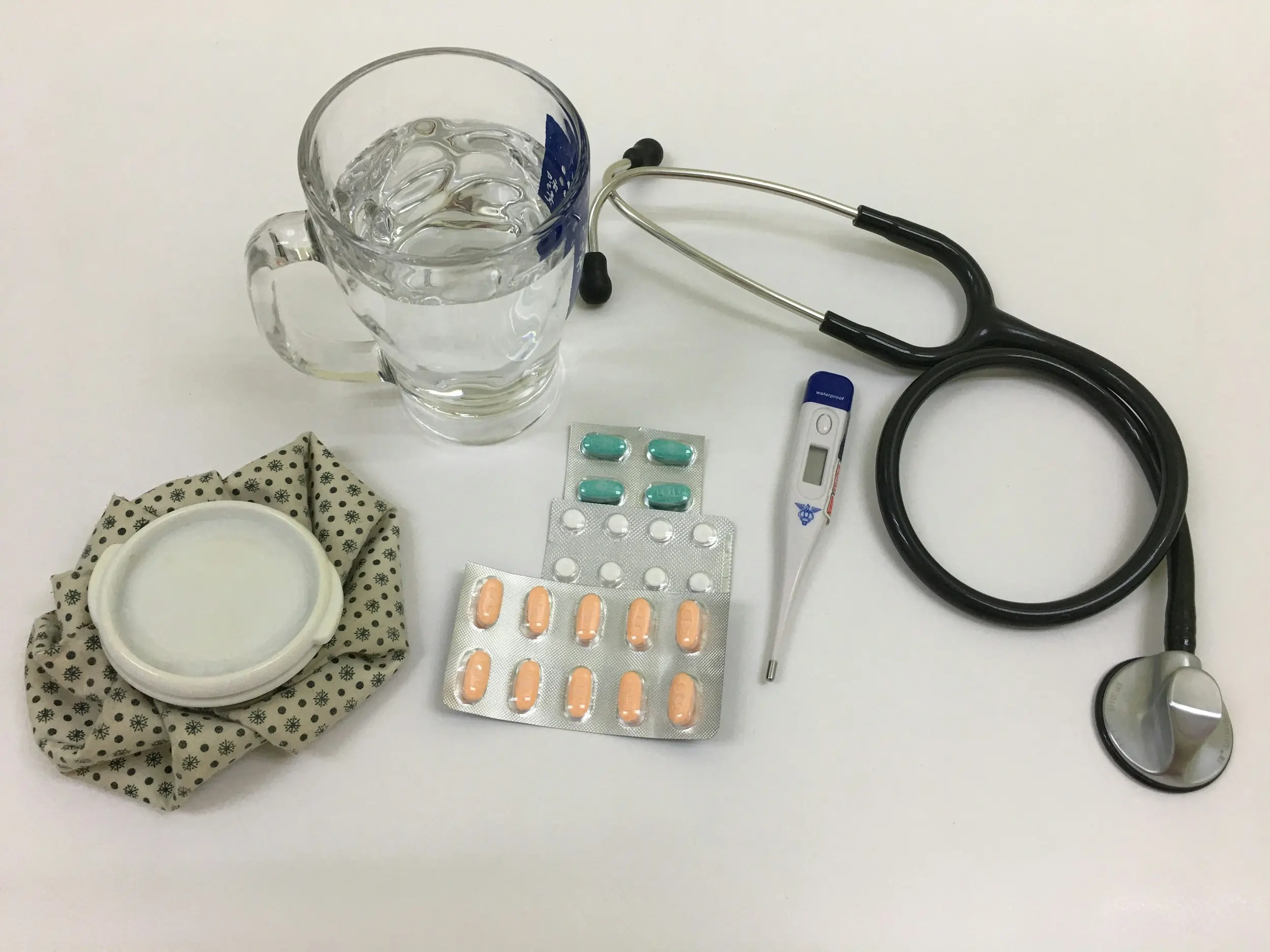
Influenza is caused by a virus. Antibiotics are designed to treat bacterial infections and are not effective against viral illnesses. Using antibiotics unnecessarily may lead to side effects and antibiotic resistance.
When to See a Doctor
You should seek medical advice if you experience:
- Persistent fever beyond a few days
- Worsening symptoms
- Shortness of breath
- Chest discomfort
- Severe fatigue or dehydration
Higher-Risk Groups
Some individuals should seek medical advice earlier:
- Elderly individuals
- Young children
- Pregnant women
- People with chronic medical conditions
When to Seek Urgent Care
Seek urgent medical attention if you develop:
- Difficulty breathing
- Persistent chest pain
- Confusion
- Inability to stay hydrated
Prevention
You can reduce your risk of influenza by:
- Washing hands regularly
- Avoiding close contact with unwell individuals
- Wearing a mask when symptomatic
- Maintaining good rest and nutrition
Vaccination may be recommended after discussion with a doctor.
Important Disclaimer
This article is for educational purposes only and does not constitute medical advice, diagnosis, or treatment. Medical decisions should only be made after consultation with a licensed doctor.
Speak to a Doctor
If your symptoms are persistent, worsening, or causing concern, you may wish to consult a doctor for a proper assessment.
References
- Uyeki TM, Bernstein HH, Bradley JS, et al. Clinical Practice Guidelines by the Infectious Diseases Society of America: 2018 Update on Diagnosis, Treatment, Chemoprophylaxis, and Institutional Outbreak Management of Seasonal Influenza. Clinical Infectious Diseases. 2019.
- World Health Organization. Influenza (Seasonal). WHO Fact Sheet. Updated 2024.
- Centers for Disease Control and Prevention (CDC). Influenza (Flu): Clinical Overview. CDC. 2025.
- Paules C, Subbarao K. Influenza. The Lancet. 2017;390(10095):697–708.
- Iuliano AD, et al. Estimates of global seasonal influenza-associated respiratory mortality. The Lancet. 2018.
- Nicholson KG, et al. Acute viral infections of upper respiratory tract. BMJ. 2003.
- Monto AS. Epidemiology of Influenza. Vaccine. 2008.
- Fiore AE, et al. Prevention and control of influenza with vaccines: recommendations of ACIP. MMWR. 2010.