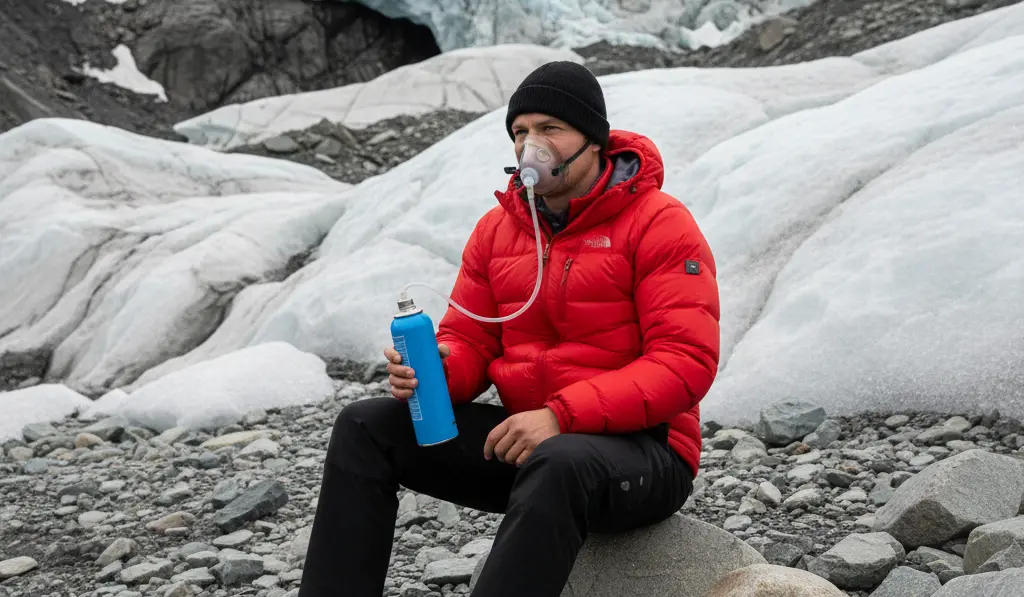
Many travelers from Singapore visit high mountain destinations such as Nepal, Tibet, Bhutan, Peru, and parts of China or India12. These locations are at high altitude where oxygen levels are lower1. Because Singapore is at sea level, our bodies are not used to such environments. Understanding altitude sickness is important before travelling.
What is Altitude Sickness?
Altitude sickness occurs when the body is unable to adapt to lower oxygen levels at high elevation. As altitude increases, the air becomes thinner and contains less oxygen. The body requires time to adjust through a process known as acclimatization.
If this adjustment does not occur adequately, symptoms may develop. This condition can affect anyone regardless of age or fitness.
Symptoms of Altitude Sickness
Common early symptoms include headache, dizziness, nausea, fatigue, and poor sleep. Symptoms often appear within a few hours to one day after arrival at high altitude.
More severe symptoms include confusion, difficulty walking, breathlessness at rest, or chest discomfort. These signs require urgent medical attention.
Why Singapore Travelers are At Higher Risk?
Individuals living at sea level are less adapted to low-oxygen environments. Rapid travel to high altitude locations increases the likelihood of symptoms. Examples include Kathmandu, Lhasa, and Cusco.
How to Prevent Altitude Sickness
Gradual ascent is the most important preventive measure
Increase sleeping elevation slowly and allow time for acclimatisation
Stay well hydrated and avoid excessive exertion during the first few days
Avoid alcohol and smoking, which may worsen symptoms
Listen to your body and rest if symptoms appear
Medical Advice Before Travel
Travellers may wish to seek medical advice before travelling to high altitude destinations. A doctor can assess individual risk factors such as past history, itinerary, and planned activities. Recommendations are personalized and based on clinical assessment.
When to Seek Medical Attention
Seek medical advice if symptoms are persistent, worsening, or affecting daily function. Urgent care is required if there is severe headache, confusion, breathlessness at rest, or difficulty walking. Descending to a lower altitude is often necessary if symptoms worsen.
Final Advice
Altitude sickness is common but manageable with proper preparation. Understanding symptoms, planning gradual ascent, and recognising warning signs are key. This article is for educational purposes only and does not constitute medical advice. Consult a licensed doctor for personalized assessment before travel if needed.
References
Luks AM, et al. Wilderness Medical Society Clinical Practice Guidelines. Wilderness & Environmental Medicine. 2024.
CDC Yellow Book. High-Altitude Travel and Altitude Illness. 2025.
Derstine M, et al. JAMA Clinical Guidelines Synopsis. 2024.
Hackett PH, Roach RC. High-Altitude Illness. NEJM. 2001.